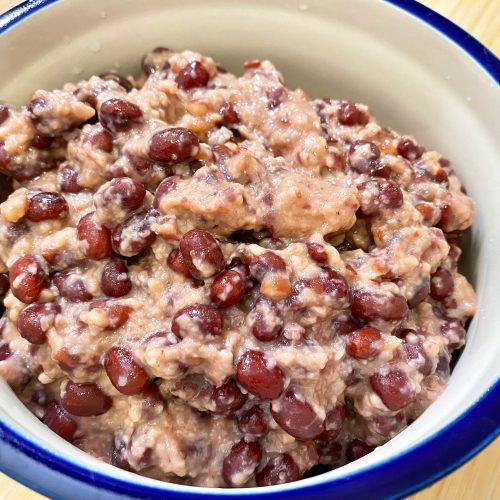
Fermented Sweet Red Bean Paste (Hakko Anko/Koji Anko)
Normally, Anko, or sweet red bean paste is made by cooking azuki beans with white sugar. Fermented Sweet Red Bean Paste (Hakko Anko/ Koji Anko), however, is sweet red bean paste made without sugar, using the natural power of koji. It is delicious, nourishing, and can be enjoyed in many ways, such as on Ogura toast, in zenzai, or azuki soy milk latte. I highly recommend giving it a try.
Equipment
- Pot
- Rice cooker
- Kitchen cloth
- Food grade thermometer
Ingredients
- 200g (1 cup) Dried (Uncooked) azuki beans
- 200g (1 1/4 cups) Rice koji (fresh or dried)
- 150g ( 2/3 cup) Azuki cooking liquid (If dried Koji is used, add extra 50g ~ (3 tbsp + 1 tsp ~) )
NOTE: For best results, measure ingredients with a scale using grams. Cup measurements (US customary units) are provided for your convenience but are not always accurate.
Instructions
- Rinse the azuki beans and place the beans and plenty of water (600 ml) in a pot and bring to a boil.

- Once boiling, cook for 5 minutes, then drain (this removes the bitterness of the beans).
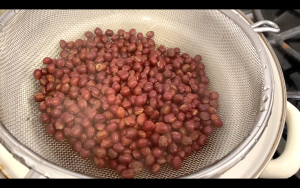
- Rinse the beans, rinse the pot as well, return the beans to the pot, and add fresh water (600 ml).
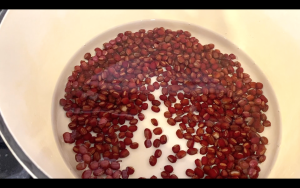
- Simmer over low heat for about 1 hour, until the beans can be easily crushed between two fingers.
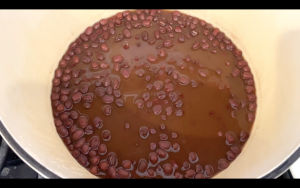
- Drain the beans, separating them from the cooking liquid. Reserve the liquid.

- Let the beans cool to about 60°C (140°F).
- Place the cooked azuki beans, rice koji, and 150 g of the reserved cooking liquid into the rice cooker inner pot and mix well.

- If the mixture seems dry, add more cooking liquid little by little until it reaches thick and pasty consistency.
- Set the rice cooker to “Keep Warm”, cover with a damp cloth, and leave the lid open.
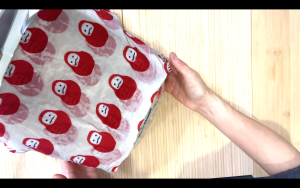
- Maintain a temperature of around 60°C (140°F) and keep warm for 8–10 hours.
- Every 1–2 hours, mash the beans slightly while stirring well. This helps bring out the sweetness.
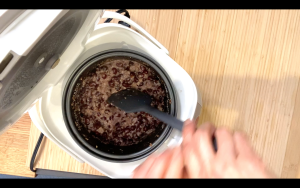
- When the beans become smooth and develop a natural sweetness similar to mirin, the fermented sweet red bean paste is ready.
- Let cool, then store in the refrigerator.

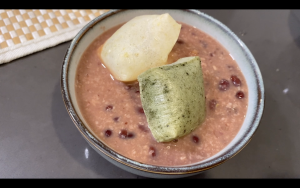
Zenzai
- To make zenzai, toast mochi (rice cake) in an oven or oven toaster.
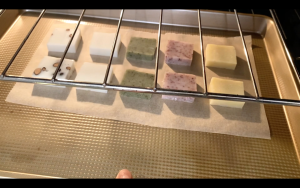
- Combine about 150 g fermented sweet red bean paste with 50 g hot water, and heat it up on a stove or in a microwave.
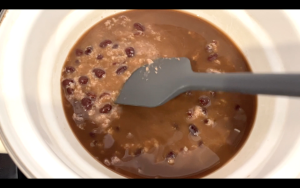
- Place the toasted mochi on top.
Ogura toast
- Spread the fermented sweet red bean paste on a piece of toast
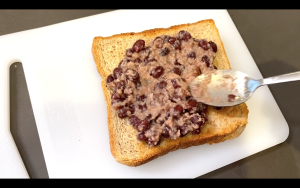
- Drizzle high-quality extra virgin olive oil or place a piece of butter, and sprinkle fleur de sel (sun-dried salt)

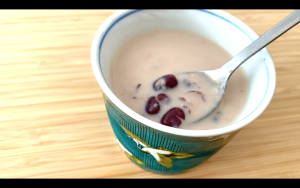
Azuki soy milk latte
- Add soy milk to fermented sweet red bean paste. You can enjoy it hot or cold.
Notes
Serving Ideas
- Spread on toast
- With mochi, shiratama dumplings, or dango
- As a topping for yogurt or granola
- As a natural sweetener for Japanese sweets or baked goods
Storage
- Refrigerated: about 3 days
- Frozen: about 1 month
Tips & Notes
- Once koji is added, the beans will not soften further, so make sure the azuki beans are fully cooked beforehand.
- Koji becomes inactive above 70°C (158°F), while its activity weakens below 50°C (122°F). Try to keep the temperature around 60°C (140°F) at all times.
- It can be enjoyed as Tsubu an (chunky anko), or blended and strained for Koshi an (smooth anko).
- If the sweetness is insufficient, extend the fermentation time slightly.
Stopping Fermentation
Even after completion, fermentation continues. If you wish to stop it, heat the anko in a pot. While high heat will deactivate the live microorganisms (such as enzymes) produced during fermentation, which have digestive benefits, many nutrients remain intact, including:- Azuki-derived polyphenols (antioxidant effects)
- B vitamins (support metabolism)
- Potassium (helps reduce swelling)
- Dietary fiber