
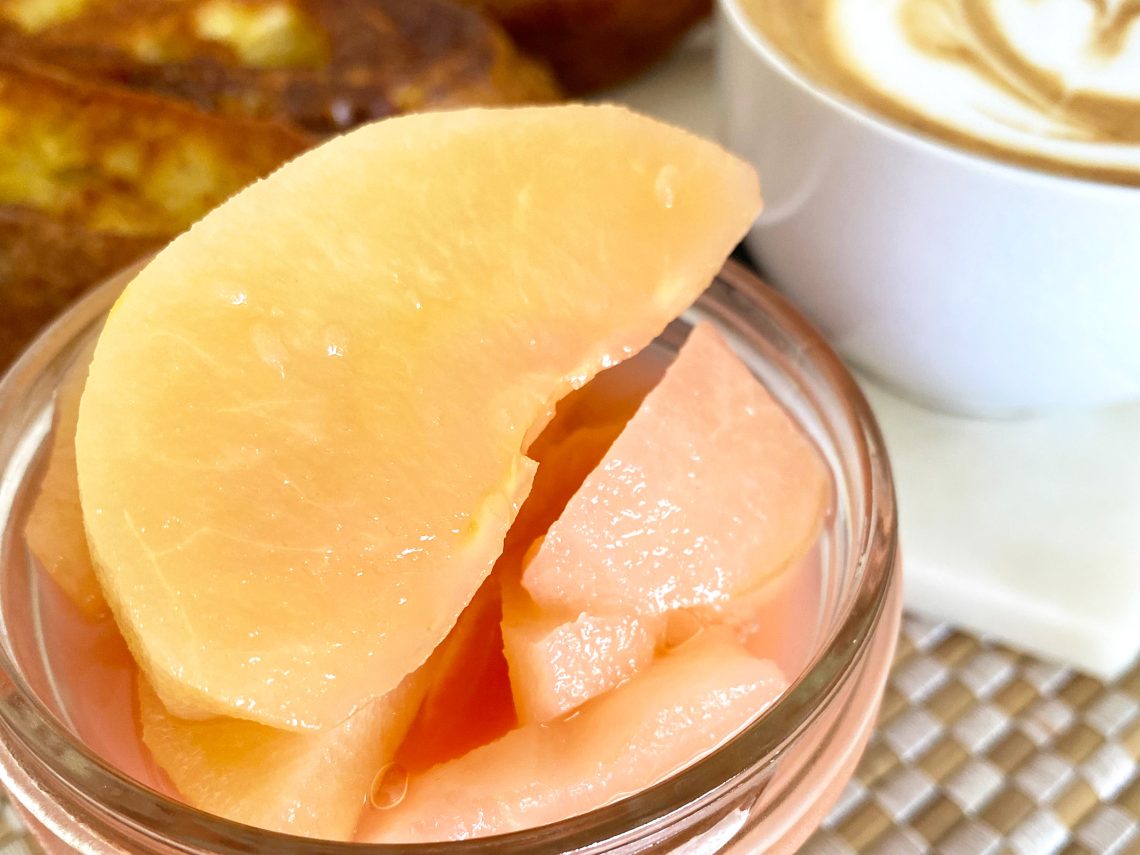
Apple comparison
In my post about the Apple Galette recipe, I mentioned that apples are one of my favorite fruits. This year, we decided to go apple picking at Los Rios Rancho in Yucaipa, CA. It’s about 100 miles (160 km) from us, so the drive took roughly 2 to 2.5 hours each way. The sky was clear, the air was crisp, and it turned out to be the perfect day for apple picking.
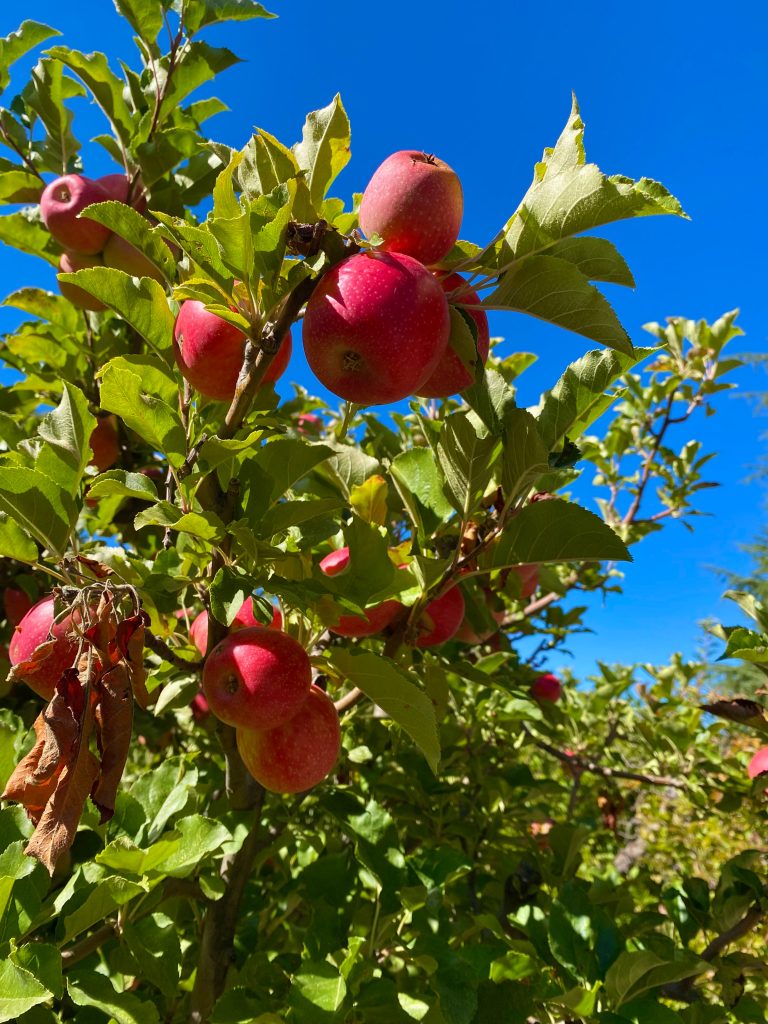
At the farm, they offered Granny Smith, Rome, Fuji, and Spartan apples for picking. We ended up gathering about 5 kg of apples. I already knew farming was hard work, but the experience made me appreciate it even more. Apple picking was fun at first, but it quickly became tiring, especially since we had to carefully choose apples without bruises or insect or animal bites, and handle them gently to avoid bruising. I now have an even deeper respect for farmers; we’re able to enjoy fresh fruits and vegetables thanks to their hard work and dedication.

They also sell a variety of apple products, including apple cider, apple butter, and apple pies. We bought some apple cider and brought it home in an insulated bag with an ice pack, since fresh cider spoils more quickly than regular apple juice because it’s not pasteurized.
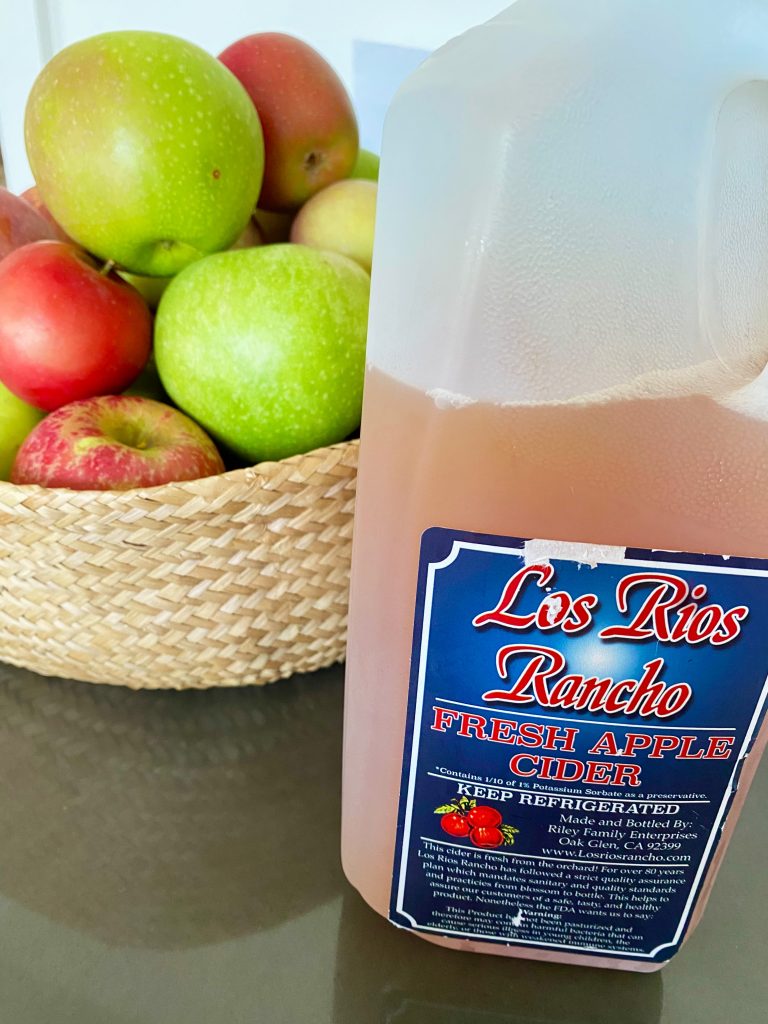
Here is the comparison of apple cider and apple juice.
Apple Cider
- Unfiltered & minimally processed: Apple cider is typically made by pressing fresh apples and bottling the juice with little to no filtration.
- Cloudy appearance: Because it contains natural pulp, sediment, and sometimes tiny apple solids, it usually looks cloudy.
- Shorter shelf life: It’s often unpasteurized, meaning it can spoil faster and needs to be refrigerated.
- Flavor: It has a fresh, tangy, more complex apple flavor, which is closer to biting into an apple.
- Seasonal: In many places, apple cider is sold primarily in the fall.
Apple Juice
- Filtered & processed: Apple juice is filtered to remove solids, then pasteurized (heated) to extend shelf life.
- Clear appearance: The filtration process makes it clear and smooth.
- Longer shelf life: Because it’s pasteurized, it lasts much longer on shelves.
- Flavor: It has a sweeter, cleaner, more consistent flavor.
In short:
Apple cider = fresh, cloudy, unfiltered, more perishable.
Apple juice = clear, filtered, pasteurized, longer-lasting and sweeter.
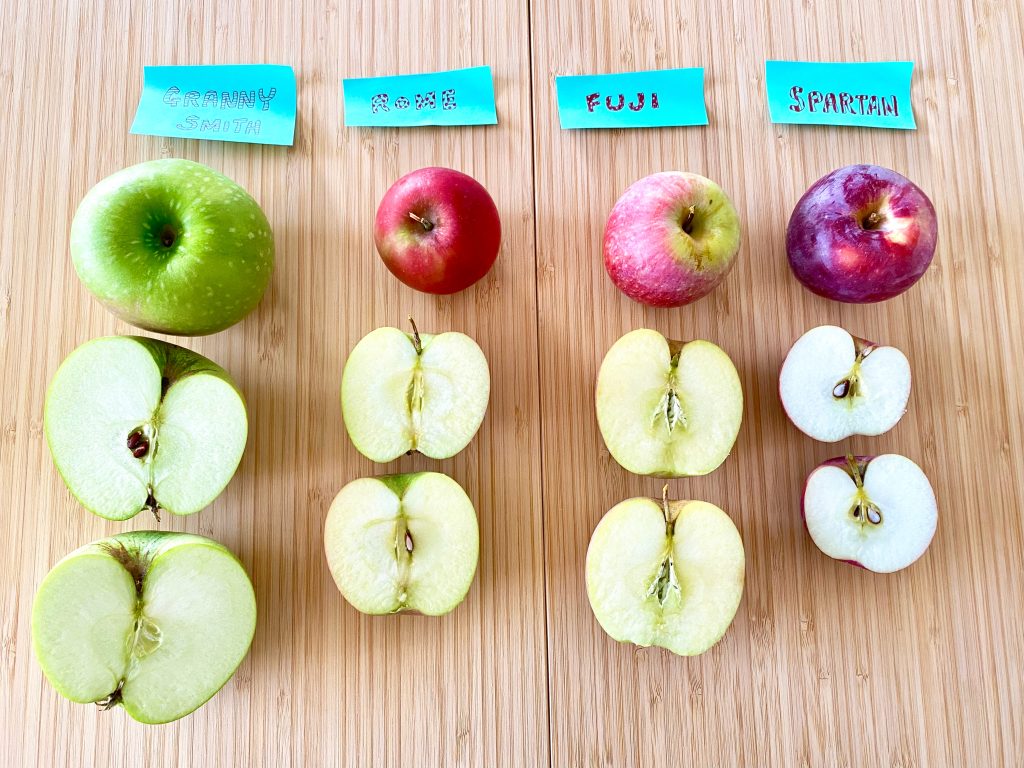
Here is also a brief comparison of Granysmith apples, Rome apples, Fuji apples, and Spartan apples.
Granny Smith
Flavor: Very tart, crisp, refreshing
Texture: Firm and crunchy
Color: Bright green
Best for: Baking (holds shape well), salads, snacking if you enjoy tartness
Notes: One of the best apples for pies because it keeps its structure and balances sweetness with acidity.
Rome
Flavor: Mild, slightly sweet, slightly aromatic
Texture: Firm and dense
Color: Deep red
Best for: Baking, roasting
Notes: Known as “the baker’s apple” because the flavor becomes richer and fuller when cooked.
Fuji
Flavor: Very sweet, juicy, low acidity
Texture: Crisp and firm
Color: Red with yellow blush
Best for: Snacking, salads, baking (stays firm but very sweet)
Notes: One of the sweetest commercial apple varieties; extremely popular for eating fresh.
Spartan
Flavor: Sweet-tart, aromatic
Texture: Crisp but tender
Color: Dark red or purple-red
Best for: Snacking, salads, sauces
Notes: A Canadian variety related to McIntosh. When cooked, it tends to soften more than Granny Smith or Fuji, but its vibrant skin can give compotes a lovely pink hue.
Quick Summary
| Apple | Flavor | Texture | Best Use | Notable Traits |
|---|---|---|---|---|
| Granny Smith | Very tart | Very firm | Baking, salads | Bright green; keeps shape well |
| Rome | Mild, slightly sweet | Firm | Baking | Excellent when cooked |
| Fuji | Very sweet, juicy | Very crisp | Snacking, salads | One of the sweetest apples |
| Spartan | Sweet-tart, aromatic | Crisp, softer than Fuji | Snacking, sauces | Skin makes compotes beautifully pink |


The farm was expansive, and they also offered tomato, raspberry, strawberry, and pumpkin picking. I grew up in a small town in Komono, Mie Prefecture, Japan, surrounded by farms and rice fields, so being out in the fields brought back many childhood memories.

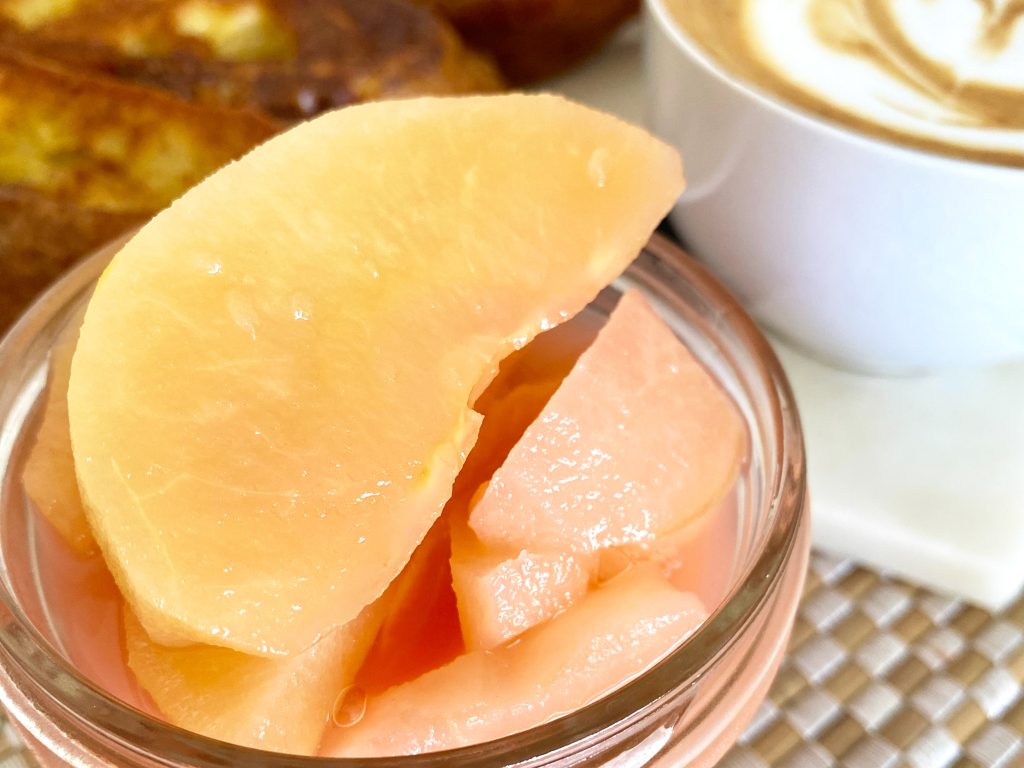
With the apples we picked, I made an apple compote. This recipe uses only two ingredients but really, it’s just one, since apple cider is basically apples in liquid form. Using the microwave makes it incredibly easy to prepare. The compote is naturally sweet, full of fresh apple flavor, and wonderfully aromatic. It’s perfect on French toast, pancakes, ice cream, yogurt, or simply enjoyed on its own!
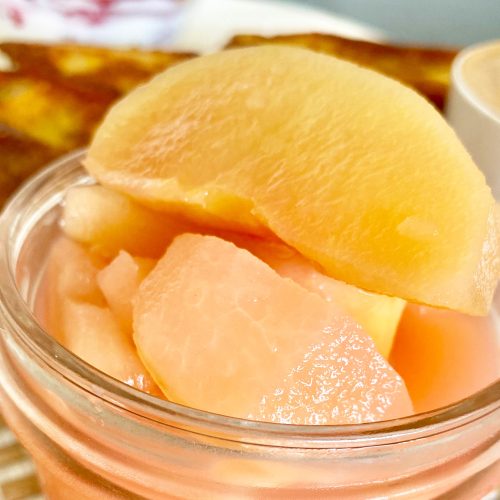
Two Ingredient Apple Compote
Equipment
- Microwave
Ingredients
- 2 apples any variety you like
- 60-90 g (1/4 cup to 1/3 cup) apple cider/juice
NOTE: For best results, measure ingredients with a scale using grams. Cup measurements (US customary units) are provided for your convenience but are not always accurate.
Instructions
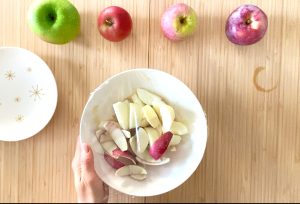
- Peel, core, and cut the apples into 8 wedges.

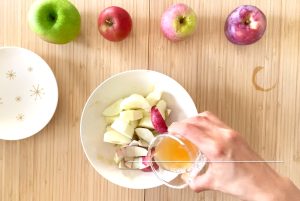
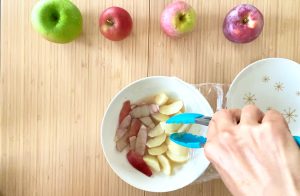
- In a bowl, combine the apple wedges with the apple cider or apple juice. Add the peeled skins as well as they help infuse the apples with extra flavor and a beautiful color.
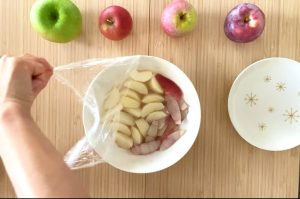
- Cover the bowl with plastic wrap and microwave for 2 minutes.
- Carefully remove it from the microwave and gently stir to coat the apples evenly with the apple cider or apple juice.
- Microwave for another minute or so, until the apples are tender but still hold their shape.
- Remove from the microwave and let it cool with the skins and juice.


Notes
- You can serve it warm or chilled. It’s delicious on yogurt, ice cream, oatmeal, pancakes, or even on its own.
- This apple compote can be stored in the refrigerator for up to 3 days or in the freezer up to a few months.
For the latest recipes and food articles:
Discover more from Kitchen Porcupine
Subscribe to get the latest posts sent to your email.





It’s great to know that apple compote can be so easy to make, and I love the fact that this recipe doesn’t require additional sugar. The sweetness comes from the apples themselves. I love eating them with yogurt, sometimes with oatmeal in the morning.
Apple compote sounds fancy and a little intimidating but it is actually super easy to make. As you mentioned, the best part of this recipe is that it has no added sugar but still sweet and flavorful with condensed apple taste. Mixing with yogurt or top it on oatmeal is also my favorite!:-)