


I was born and raised in Japan, where sesame was a staple that could always be found in our pantry. My mother most often used it in Ohitashi(おひたし), which is blanched spinach dressed simply with ponzu and finished with a sprinkle of sesame seeds and bonito flakes. Sesame seeds were also an essential condiment at the table, especially for bowls of Udon(うどん) or Somen(そうめん), adding aroma and depth to these simple wheat noodles served with tsuyu or dashi, green onions, and wasabi.
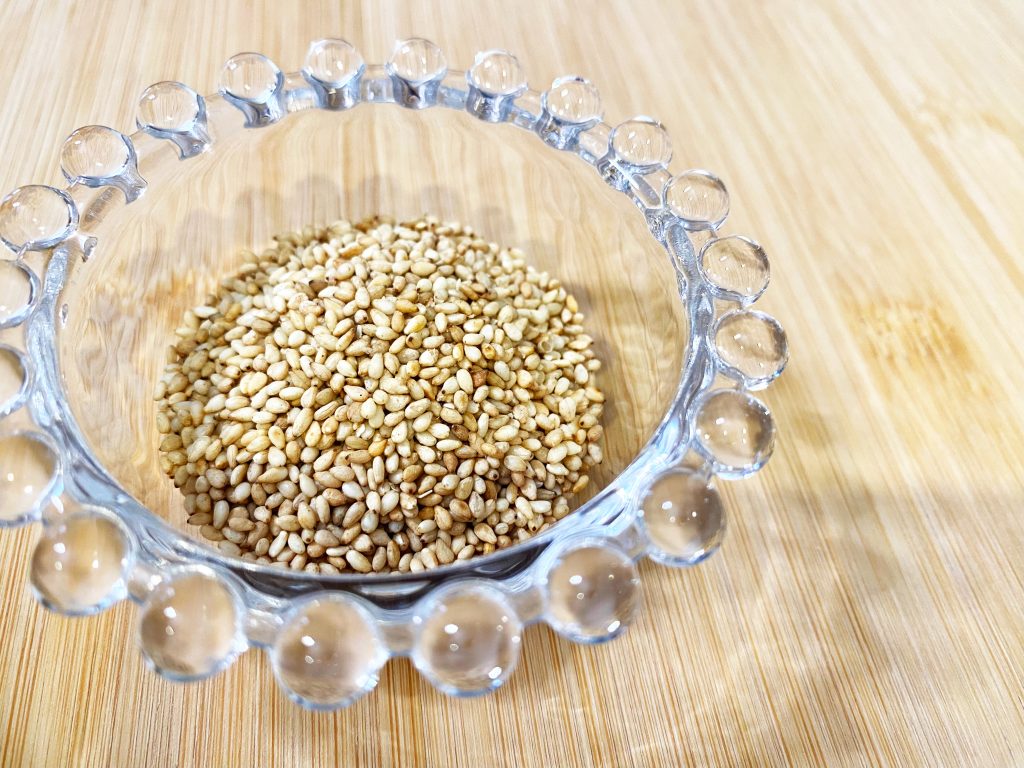
For this recipe, I baked a cake with sesame as one of the main ingredients. Instead of Asian-style sesame paste, I used tahini, which is more readily available in the US. Below, I’ll share a comparison between tahini and Asian-style sesame paste, followed by an explanation of why sesame has long been considered such a nourishing ingredient.
**Tahini**
Made from hulled sesame seeds
Seeds are usually lightly toasted
Color: light beige
Flavor: mild, nutty, slightly bitter (taste varies depending on brands)
Common in Middle Eastern & Mediterranean cooking
Typical uses: hummus, baba ghanoush, dressings, sauces, desserts
**Asian-style Sesame Paste**
Made from unhulled or hulled sesame seeds (depends on brands)
Seeds are usually deeply toasted
Color: dark brown (or black if black sesame is used)
Flavor: nutty, slightly bitter (taste varies depending on brands)
Common in Japan, Korean, and Chinese cooking
Typical uses: noodles (e.g., dan dan noodles), hot pot sauces, desserts
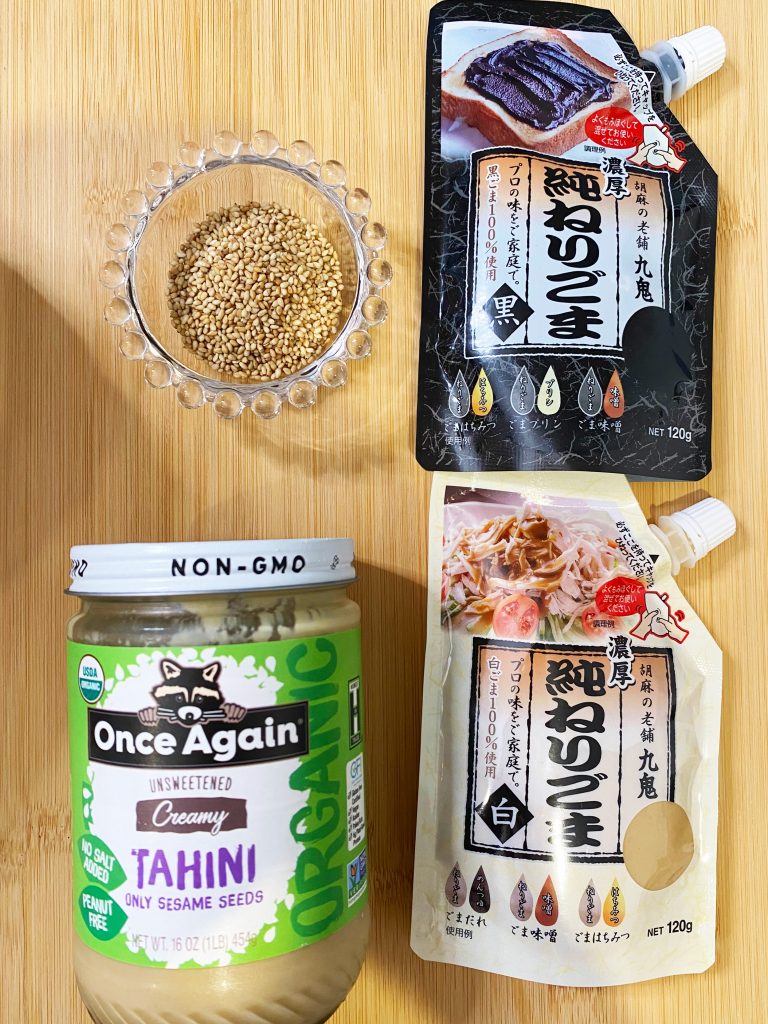
I tested the recipe with both tahini and Asian-style sesame paste, and each version turned out beautifully, so you can use them interchangeably. Just be sure to choose a product made with 100% sesame seeds, without any added ingredients such as salt or sugar. The black and white sesame pastes in the plastic packages below are made by Kuki Sesame, a company headquartered in my hometown of Yokkaichi. Their sesame products are also available at Japanese grocery stores in Los Angeles, and it genuinely brings me joy to see a company from the same hometown sharing such beautifully crafted products beyond Japan. I’m especially fond of this brand because the quality of their products is truly exceptional. If you happen to come across them at a grocery store, I highly recommend giving them a try.
Growing up, everyone told me that sesames are good for you. Below are the reasons why sesames are healthy:
1. Rich in healthy fats
Sesame seeds are high in unsaturated fats (especially omega-6 fatty acids), which:
- Support heart health
- Help lower LDL (“bad”) cholesterol when eaten in moderation
- Aid absorption of fat-soluble vitamins (A, D, E, K)
This is why sesame products like tahini feel satisfying and nourishing.
2. Unique antioxidants (lignans)
Sesame contains powerful antioxidants such as sesamin and sesamol, which:
- Reduce oxidative stress
- Support liver function
- May help regulate cholesterol metabolism
- Are unusually stable even when heated (rare for antioxidants)
These lignans are a major reason sesame oil has such a long shelf life.
3. Excellent plant-based minerals
Sesame is especially rich in:
- Calcium – bone health (particularly high in unhulled sesame)
- Magnesium – muscle and nerve function
- Iron – oxygen transport (important for plant-based diets)
- Zinc – immune support and skin health
Because sesame is often ground into paste, these minerals are more bioavailable than in whole seeds.
4. Good plant protein
Sesame provides:
- A solid amount of plant-based protein
- Methionine, an amino acid that many plant foods lack
This makes sesame a useful complement to legumes and grains.
5. Supports gut health
- Whole sesame seeds provide dietary fiber
- Tahini and sesame paste are gentle on digestion and often well tolerated
- Traditionally used in many cultures for digestive balance
6. Naturally anti-inflammatory
Thanks to its healthy fats and lignans, sesame may help:
- Reduce low-grade inflammation
- Support joint and cardiovascular health
- Balance blood sugar response when eaten with carbs
Bottom line
Sesame is healthy because it combines:
healthy fats + rare antioxidants + minerals + protein,
all in a form that’s easy to digest and deeply satisfying.
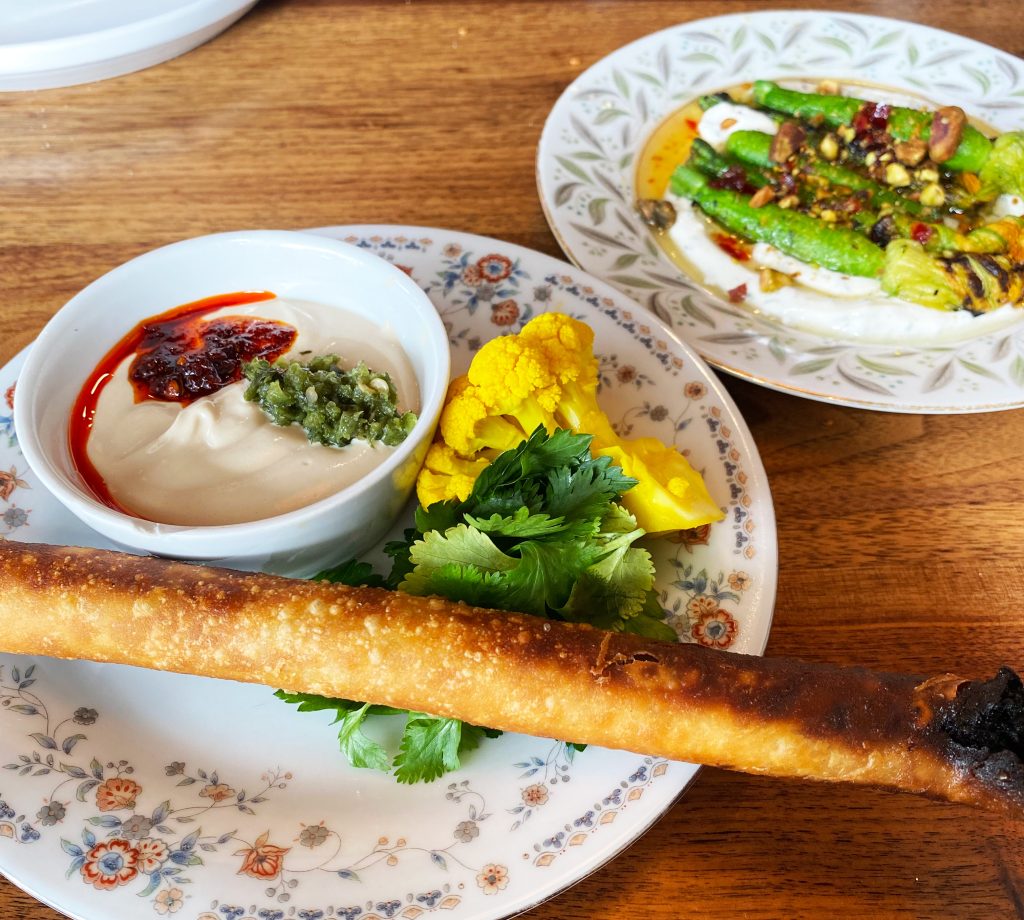
Now that we’ve explored the health benefits of sesame, let’s move on to this orange and cranberry cake, made without added oil. I got the inspiration from a Greek cake recipe called “Tahinopita”, but this recipe uses much less sugar than regular tahini cakes, and I combined corn starch and almond powder with flour to make the cake melt in your mouth, and fill the cake with a variety of nuts and dried prunes, finish with Grand Marnier to give the depth of flavor. Thanks to the tahini, the cake is exceptionally moist and deeply flavorful on its own. It’s perfect as an everyday treat, yet elegant enough for the holiday season, finished with a delicate sugar glaze, green pumpkin seeds, and vibrant red dried cranberries.

Vegan and No added oil but super moist Orange and Cranberry Cake
Equipment
- 22cm (8.7") x 9cm (3.5") x 8cm (3") loaf pan
- Parchment paper
Ingredients
- 125 g (1/2 cup) Tahini
- 50 g (1/4 cup) Coconut sugar
- 25 g ( 1 tbsp) Maple syrup
- 10 g (2 tsp) Grand Marnier
- 5g (2tsp) g Orange zest 1-2 oranges
- 100 g (7 tbsp) Orange juice 1-2 oranges
- 70 g ( 1/2 cup + 1 tbsp) Flour
- 20 g (2 1/2 tbsp) Corn starch
- 30 g (1/3 cup) Almond powder
- 3 g (3/4 tsp) Baking powder
- 3 g (1/2 tsp) Baking soda
- 2 g (3/4 tsp) Cinnamon powder
- 30 g (3 tbsp) Dried prunes
- 20 g (2 tbsp) Dried cranberries
- 50 g (1/3 cup) mixed nuts Pecans, Cashews, Walnuts
- 100 g ( 3/4 cup) Powdered sugar
- 20 g (1 tbsp) Grand Marnier
- 10 g ( 2 tsp) ~ Water
- Dried cranberries
- Pumpkin seeds
NOTE: For best results, measure ingredients with a scale using grams. Cup measurements (US customary units) are provided for your convenience but are not always accurate.
Instructions
- Preheat the oven to 175°C (350°F).

- Line a loaf pan with parchment paper.
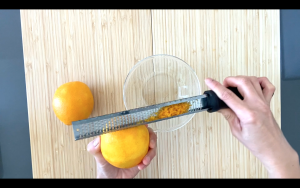
- Zest the oranges.
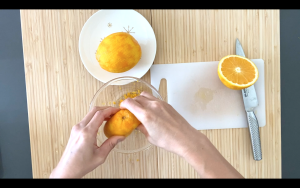
- Squeeze the orange juice.
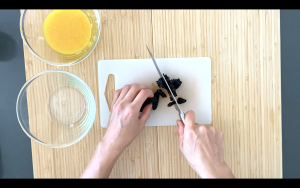
- Cut the dried prunes into small pieces.
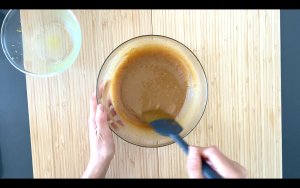
- In a bowl, combine tahini, coconut sugar, maple syrup, Grand Marnier, orange zest, orange juice and mix until completely smooth and creamy.
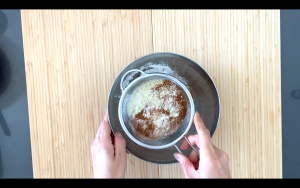
- In a separate bowl, sift together flour, corn starch, almond powder, baking powder, baking soda, and cinnamon powder.
- Add the dried fruits and nuts into the flour mixture.
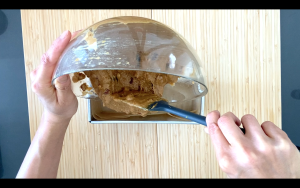
- Add the dry ingredients to the wet mixture and fold gently with a spatula until just combined.
- Pour the batter into the prepared loaf pan.
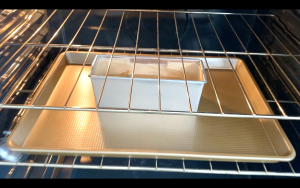
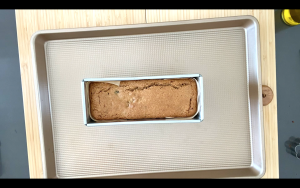
- Bake for about 35 minutes, or until the toothpick inserted in the center comes out clean.
- Let the cake cool and remove from the pan.
- Combine the powdered sugar with Grand Marnier and gradually add water until the desired consistency.
- Pour the sugar glaze over the cake and decorate with dried cranberries and pumpkin seeds.



Notes
- This cake can be stored in the refrigerator for up to a week.
- To keep them longer, slice the cake and wrap with plastic wrap individually, and freeze them up to a few months.
- You can substitute the Grand Marnier with water for the sugar glaze.
For the latest recipes and food articles:
Discover more from Kitchen Porcupine
Subscribe to get the latest posts sent to your email.



At first, I was not sure if Tahini and orange would go well together, but after trying this recipe, I completely understood. The orange zest gives such a refreshing flavor to the cake, and it lifts up my spirit. This cake reminds me of “Stollen Cake” with dried fruits and sugar glaze, but this one is a much healthier version. I love to eat a slice with a nice hot cup of tea.:-)
You’re exactly right! This cake does resemble Stollen Cake. But unlike Stollen cake, which uses a lot of butter and sugar, this cake is baked with minimum amount of coconut sugar and maple syrup without added oil. It’s delicious but guilt-free!