
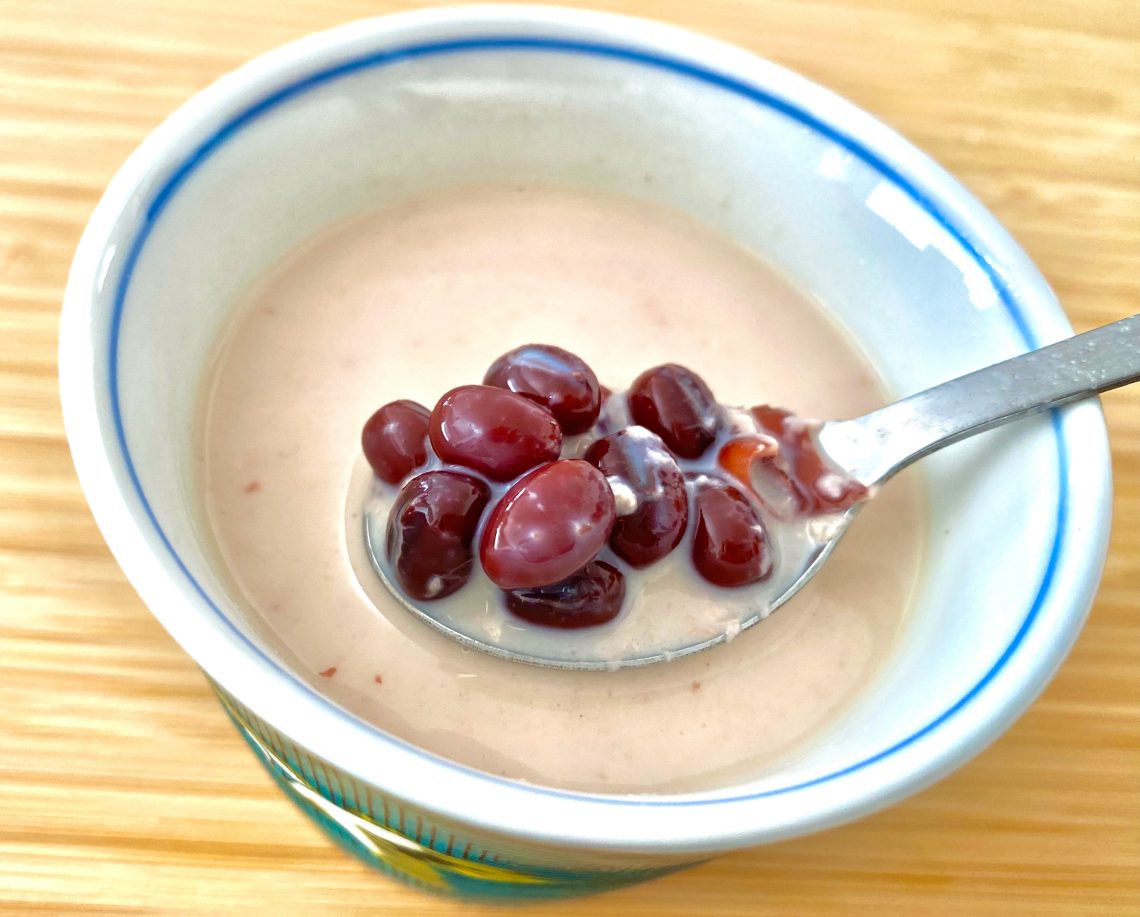
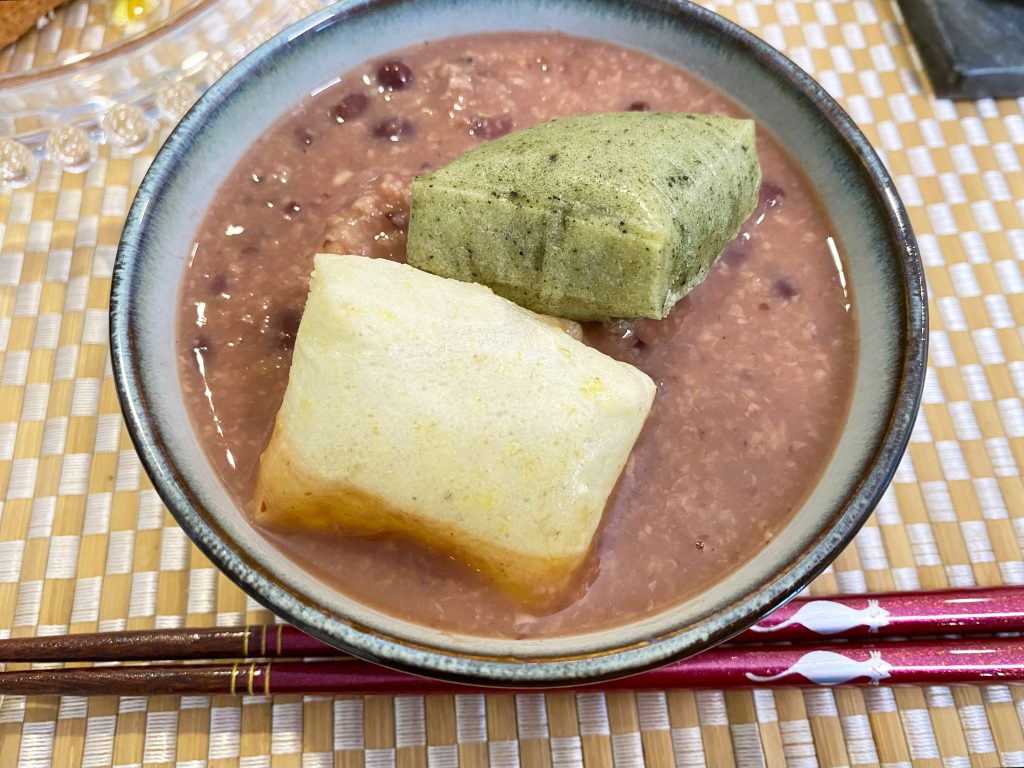
In Japan, Miso and soy sauce are staples found in nearly every household refrigerator. What they share in common is that they are both made through fermentation using rice koji. Rice koji is not a seasoning, but a fermentation starter. It unlocks flavor, natural sweetness, and umami by allowing enzymes to do the work, which is one of the reasons Japanese cuisine can be both subtle and deeply satisfying.


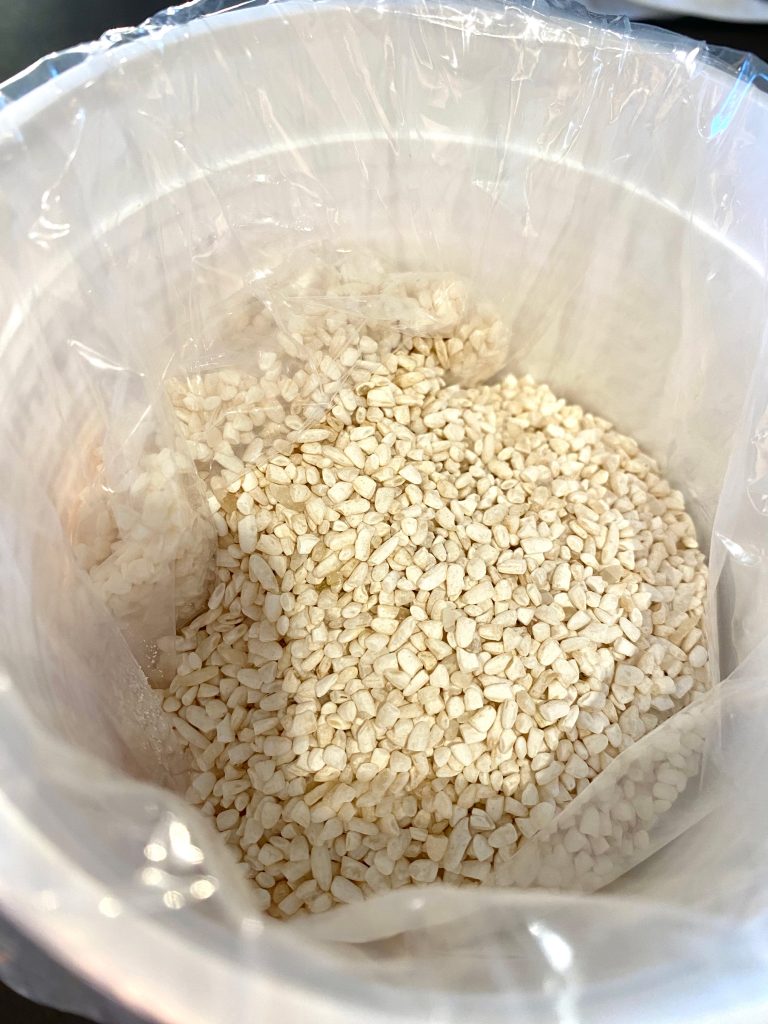
(I bought this Rice koji at Mitsuwa Marketplace in Torrance, California, where they have a variety of Japanese groceries. )
What is Rice koji?
Rice koji is rice inoculated with Aspergillus oryzae. After steaming the rice, the mold is sprinkled on and allowed to grow under warm, humid conditions for about 40–48 hours. As it grows, the rice becomes lightly fuzzy and fragrant.
What makes it special
Koji mold produces powerful enzymes:
- Amylases break starches into sugars (creating natural sweetness)
- Proteases break proteins into amino acids (boosting umami)
- Lipases break fats into aromatic compounds
Because of these enzymes, rice koji doesn’t just add flavor but it transforms ingredients.
How it’s used
Rice koji is essential for making:
- Miso
- Soy sauce
- Sake
- Mirin
- Shio koji (salted koji marinade)
- Amazake (naturally sweet, non-alcoholic drink)
- Fermented anko (sweet red bean paste without added sugar)
In home cooking, it’s often used to tenderize meat or fish, enhance vegetables, or create gentle sweetness without refined sugar.
Flavor & health notes
- Flavor: mildly sweet, nutty, and deeply savory
- Naturally supports digestion due to enzyme activity
- Enables sugar-free sweetness through fermentation rather than additives
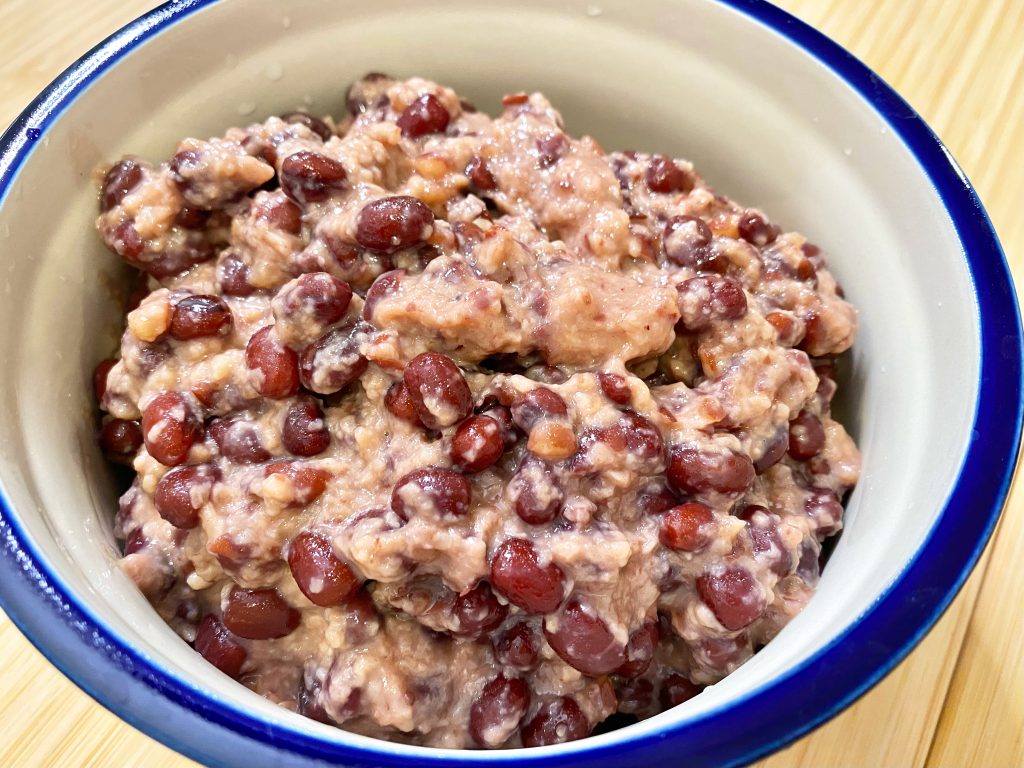
This time, I’d like to introduce how to make fermented sweet red bean paste (Hakko Anko / Koji Anko). What makes this anko special is that, unlike traditional sweet red bean paste made with a generous amount of sugar, it develops its sweetness, depth of flavor, and digestibility entirely through fermentation without any added sugar.
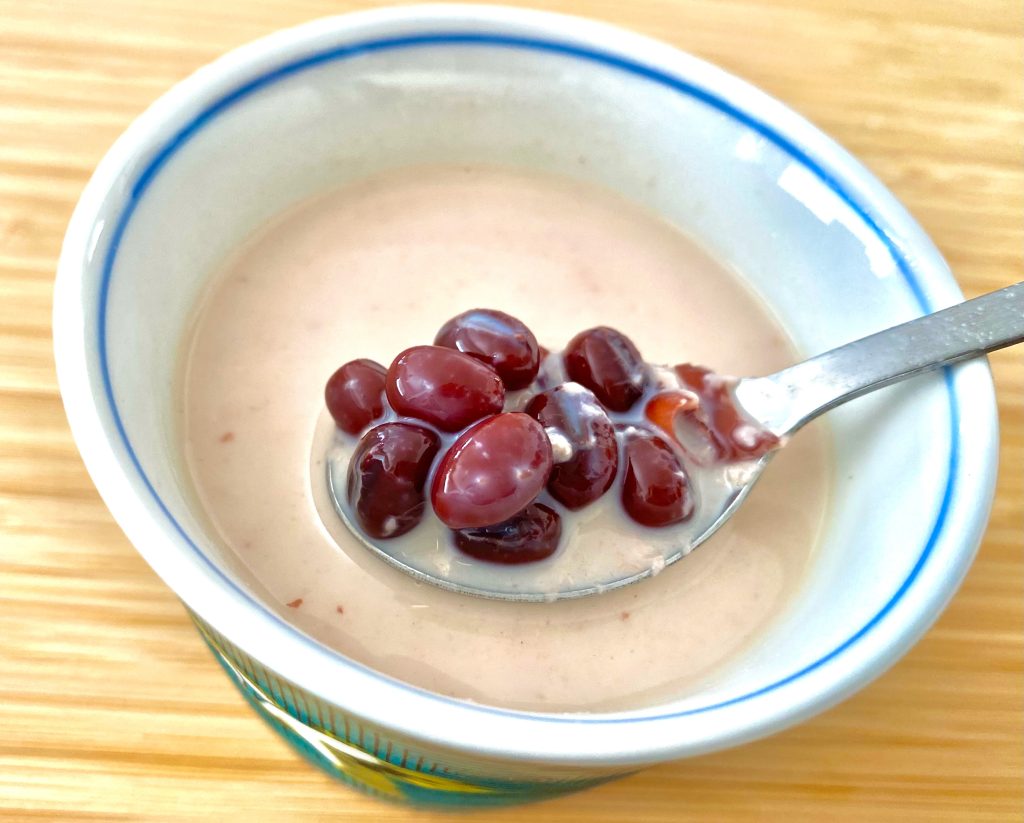
After cooking the azuki beans, the rice koji and a rice cooker do most of the work. The key is maintaining the temperature at around 60°C (140°F), as koji becomes inactive above 70°C (158°F), while its activity weakens below 50°C (122°F).
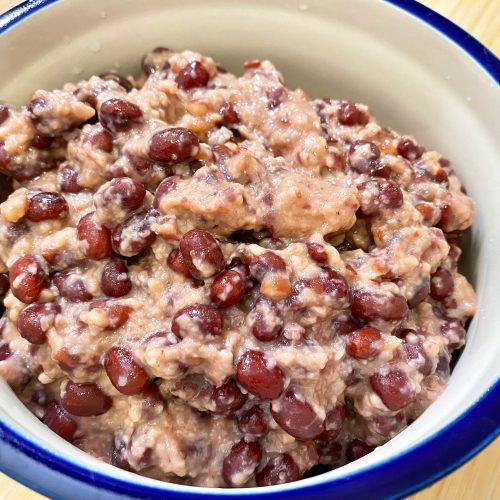
Fermented Sweet Red Bean Paste (Hakko Anko/Koji Anko)
Equipment
- Pot
- Rice cooker
- Kitchen cloth
- Food grade thermometer
Ingredients
- 200g (1 cup) Dried (Uncooked) azuki beans
- 200g (1 1/4 cups) Rice koji (fresh or dried)
- 150g ( 2/3 cup) Azuki cooking liquid (If dried Koji is used, add extra 50g ~ (3 tbsp + 1 tsp ~) )
NOTE: For best results, measure ingredients with a scale using grams. Cup measurements (US customary units) are provided for your convenience but are not always accurate.
Instructions
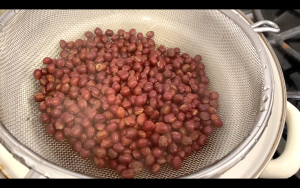
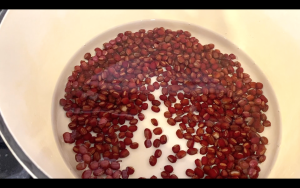
- Rinse the azuki beans and place the beans and plenty of water (600 ml) in a pot and bring to a boil.

- Once boiling, cook for 5 minutes, then drain (this removes the bitterness of the beans).
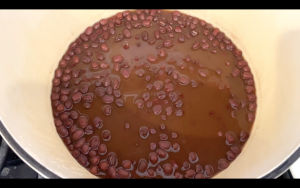
- Rinse the beans, rinse the pot as well, return the beans to the pot, and add fresh water (600 ml).
- Simmer over low heat for about 1 hour, until the beans can be easily crushed between two fingers.
- Drain the beans, separating them from the cooking liquid. Reserve the liquid.
- Let the beans cool to about 60°C (140°F).
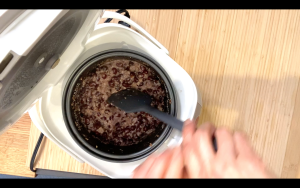
- Place the cooked azuki beans, rice koji, and 150 g of the reserved cooking liquid into the rice cooker inner pot and mix well.
- If the mixture seems dry, add more cooking liquid little by little until it reaches thick and pasty consistency.
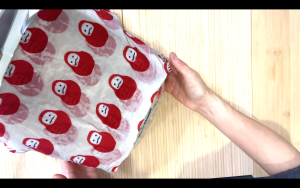
- Set the rice cooker to “Keep Warm”, cover with a damp cloth, and leave the lid open.
- Maintain a temperature of around 60°C (140°F) and keep warm for 8–10 hours.
- Every 1–2 hours, mash the beans slightly while stirring well. This helps bring out the sweetness.
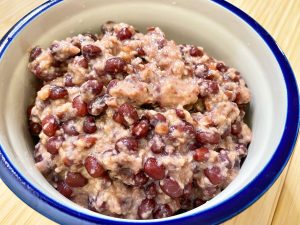
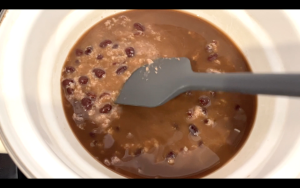
- When the beans become smooth and develop a natural sweetness similar to mirin, the fermented sweet red bean paste is ready.
- Let cool, then store in the refrigerator.



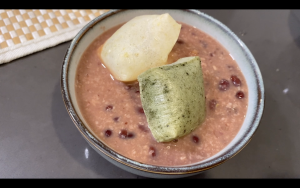
Zenzai
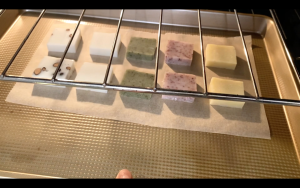
- To make zenzai, toast mochi (rice cake) in an oven or oven toaster.
- Combine about 150 g fermented sweet red bean paste with 50 g hot water, and heat it up on a stove or in a microwave.
- Place the toasted mochi on top.
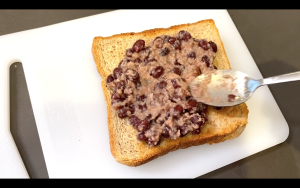
Ogura toast
- Spread the fermented sweet red bean paste on a piece of toast
- Drizzle high-quality extra virgin olive oil or place a piece of butter, and sprinkle fleur de sel (sun-dried salt)

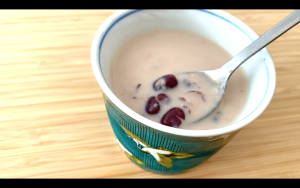
Azuki soy milk latte
- Add soy milk to fermented sweet red bean paste. You can enjoy it hot or cold.
Notes
Serving Ideas
- Spread on toast
- With mochi, shiratama dumplings, or dango
- As a topping for yogurt or granola
- As a natural sweetener for Japanese sweets or baked goods
Storage
- Refrigerated: about 3 days
- Frozen: about 1 month
Tips & Notes
- Once koji is added, the beans will not soften further, so make sure the azuki beans are fully cooked beforehand.
- Koji becomes inactive above 70°C (158°F), while its activity weakens below 50°C (122°F). Try to keep the temperature around 60°C (140°F) at all times.
- It can be enjoyed as Tsubu an (chunky anko), or blended and strained for Koshi an (smooth anko).
- If the sweetness is insufficient, extend the fermentation time slightly.
Stopping Fermentation
Even after completion, fermentation continues. If you wish to stop it, heat the anko in a pot. While high heat will deactivate the live microorganisms (such as enzymes) produced during fermentation, which have digestive benefits, many nutrients remain intact, including:- Azuki-derived polyphenols (antioxidant effects)
- B vitamins (support metabolism)
- Potassium (helps reduce swelling)
- Dietary fiber
A little note from another batch that I made on a winter day:
Because the room temperature was low and the koji was cold straight out of the refrigerator, the temperature remained below 50°C even after 3 hours. So I added 100 ml of 50°C water, and closed the rice cooker lid, leaving a small gap, and secured it with tape.
After 5 hours, the temperature rose close to 70°C, so I opened the lid and placed a damp cloth on top. (Although the temperature rose high, the koji culture was OK—thankfully!)
After 7 hours, the temperature stabilized between 60–64°C.
After 8.5 hours, the anko had become quite sweet, so I removed it from the rice cooker. The temperature was maintained at 60–63°C until the end.
Fermentation behavior varies depending on room temperature, humidity, the quality of the rice koji, and the type of rice cooker or yogurt maker used. Be sure to check and adjust the temperature every 1–2 hours to ensure consistent results.
Main Health Benefits of Fermented Anko
① Helps Prevent Rapid Blood Sugar Spikes
Fermented anko contains no added sugar; its sweetness comes from the red beans that are broken down by enzymes (amylase) in rice koji. As a result, blood sugar levels rise more gently compared to conventional sweetened anko with added sugar.
Recommended for those who want to reduce sugar intake or are concerned about post-meal blood sugar levels.
② Supports Gut Health
Rice koji contains oligosaccharides and fermentation-derived compounds that nourish beneficial gut bacteria. Combined with the dietary fiber in azuki beans, it supports intestinal function and helps maintain a healthy gut microbiome.
③ Provides High-Quality Plant Protein
Azuki beans are rich in easily digestible plant-based protein. Fermentation further breaks them down, making the nutrients easier for the body to absorb.
Recommended for those who tire easily, want to maintain muscle mass, or limit animal protein.
④ Antioxidant Effects (Polyphenols)
Azuki beans contain polyphenols (anthocyanins) with antioxidant properties, drawing attention for their role in anti-aging, lifestyle disease prevention, and reducing oxidative stress.
⑤ Mineral Intake (Iron, Potassium, etc.)
Azuki beans provide minerals such as:
- Iron: helps prevent anemia
- Potassium: helps eliminate excess sodium
Fermentation enhances mineral absorption, which is another benefit.
⑥ Warming Effect on the Body
In traditional Japanese dietary philosophy, azuki beans are considered a warming food, making them suitable for people who tend to feel cold.
Precautions
- Eating too much can still result in excess calorie intake
- Those with sensitive digestion should start with small portions
- Improper storage may lead to spoilage rather than fermentation
Source – Wikipedia Aspergillus oryzae
For the latest recipes and food articles:
Discover more from Kitchen Porcupine
Subscribe to get the latest posts sent to your email.





This was my first time trying Hakko Anko, but because the description is so detailed, I just followed the recipe, and 6 hours later, I got myself a delicious bowl of Hakko Anko! I was surprised how sweet and delicious it turned out. I’ve been eating it in the morning with yogurt, and I feel great. I haven’t gotten sick since then. The recipe may look complicated, but it’s easier than it looks. I’m more curious to find out about fermented foods now.
Yes, the fermentation process looks a bit intimidating at first but after you boil azuki beans, the rice cooker does most of the job, and it’s much easier than it seems. It’s kind of like a miracle that the fermentation process brings out so much sweetness from the beans.:-)It’s super good for your health as well!